
PRF BioFiller Questions: From Blood Draw to Follow-Up
Precision Journal · PRF BioFiller
PRF BioFiller Questions: From Blood Draw to Follow-Up
A useful consultation should explain the exact preparation, the goal it is meant to address and how you will judge the settled result—not just call it “natural filler.”
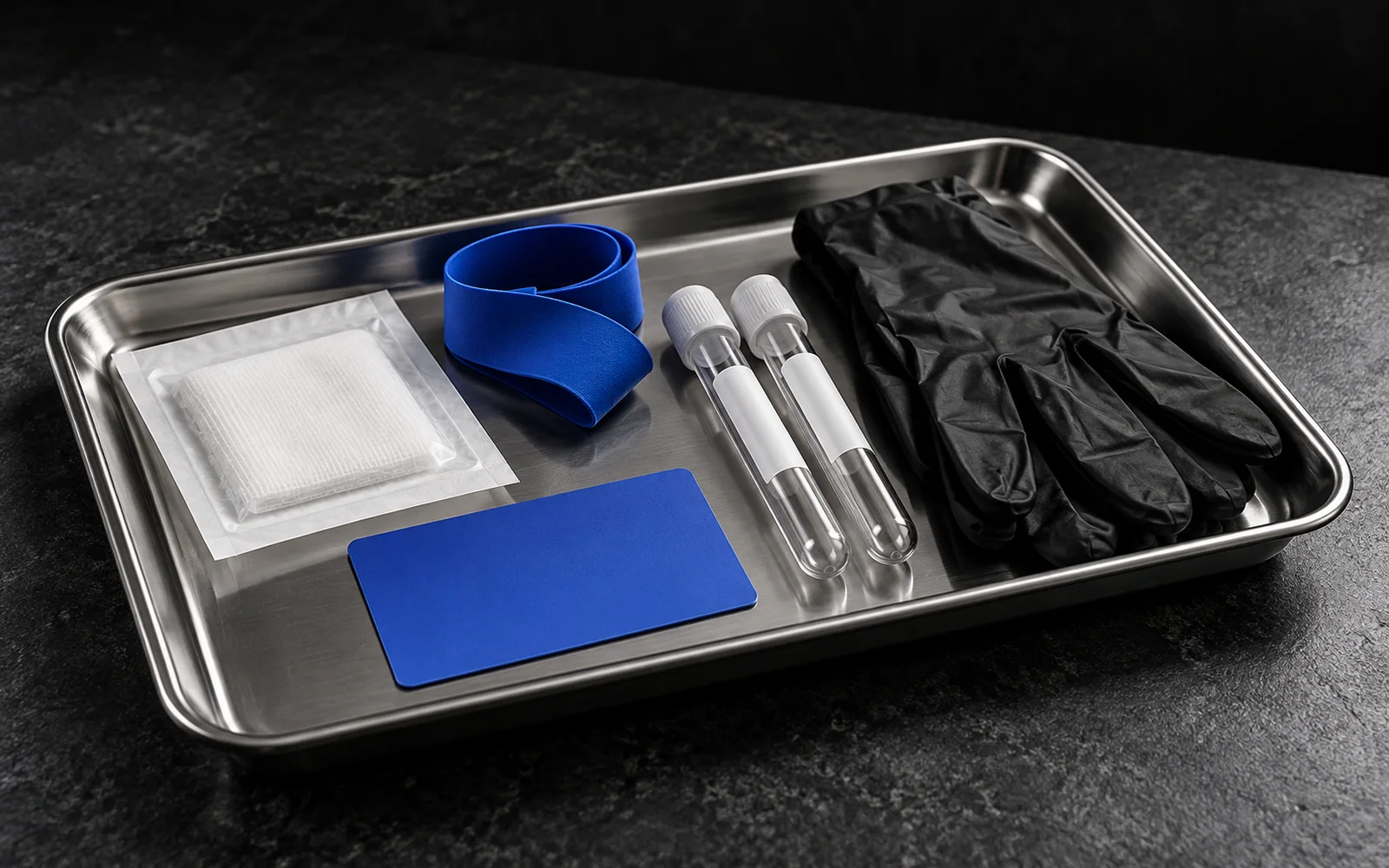
PRF stands for platelet-rich fibrin, a blood-derived preparation discussed within regenerative aesthetics. “BioFiller” can refer to a processed plasma-based gel, while liquid injectable PRF is a different material. Processing methods vary, so findings about one preparation should not automatically be applied to every product called PRF or BioFiller.
That distinction matters because a consultation is not simply a choice between “natural” and “synthetic.” It is a decision about a specific concern, an exact preparation, an injection plan and a realistic review point.
Preparation begins before the blood draw
Bring a current list of medications and supplements, previous injectable treatments, allergies, bleeding or clotting concerns, recent illness and active skin problems. Do not stop a prescribed medication on your own. Ask the treating clinician whether anything in your history changes the plan or recovery expectations.
If you proceed, the appointment includes a blood draw and preparation of the selected material before treatment. The exact equipment, processing steps and appointment length can differ. Ask which system and preparation are being used, who will perform each part of the visit and how sterile handling is maintained.
Purpose should be specific enough to evaluate
“Rejuvenation” is too broad to measure. A clearer goal might be improving the appearance of fine texture, discussing mild hollowing or evaluating facial balance. Under-eye concerns deserve special care because discoloration, puffiness, laxity and volume loss are different problems. A blood-derived option that fits one may not fit another.
PRF BioFiller is also not interchangeable with platelet-rich plasma or hyaluronic acid filler. The preparation, intended use, evidence, expected degree of change and risk profile should guide the decision. Ask what this option may reasonably do, what it is unlikely to change and which alternatives belong in the comparison.
A 2020 prospective study followed 11 healthy women who received three monthly injections of injectable PRF in several facial areas. At three months, researchers reported improvements in measured spots and pores and in several satisfaction scores; other skin measures showed numerical change. The study had no control group and used a specific liquid PRF process. It is useful early evidence, but it does not prove a predictable result, long-term durability or superiority for every BioFiller preparation.
Recovery and risk belong in the same plan
Bruising, swelling, tenderness and infection are possible. Early fullness may partly reflect swelling, so it should not be mistaken for the settled result. Ask how to care for the area, which activities or skincare to pause, and when to contact the clinic.
Blood-derived does not mean risk-free. Serious vascular complications, including irreversible vision loss, have been reported after cosmetic facial platelet-rich plasma injections. That evidence comes from PRP case reports rather than proof that every PRF preparation has the same risk, but it reinforces why facial injections require careful anatomy, sterile technique, informed consent and an emergency plan.
- What exact preparation are you proposing?
- Which concern is it intended to address—and what will it not change?
- What evidence applies to this preparation and treatment area?
- What recovery effects and urgent warning signs should I know?
- When will we assess the settled result before considering anything more?
Start with the exact question.
LaserTouch MD offers PRF BioFiller consultations in Bentonville for clients from Rogers and across Northwest Arkansas. Choose the current Cosmetic Injection booking category and note that you want to discuss PRF BioFiller, or call with scheduling questions.
LaserTouch MD PRF BioFiller service guide
Hassan, Quinlan & Ghanem, prospective i-PRF study (2020)
Karam et al., visual loss after facial PRP injection (2020)