
RF Microneedling vs. Traditional Microneedling in Bentonville: How They Differ
LaserTouch MD · Precision Journal · Bentonville & Rogers
RF Microneedling vs. Traditional Microneedling: How They Differ
Both treatments use controlled microneedling—but only one adds radiofrequency energy. The better question is not “Which is stronger?” It is “Which approach fits the concern, skin history and risk conversation in front of us?”
Similar names. Different energy. A choice that deserves more than a one-line answer.
Traditional microneedling and PiXel8-RF microneedling both create controlled needle channels in the skin. PiXel8-RF also delivers radiofrequency energy through the microneedles, producing heat at selected tissue depths.
That extra energy changes the treatment—and the safety discussion. It does not automatically make RF microneedling the right option for every person or every goal. A useful consultation in Bentonville should compare the target concern, device, settings, expected recovery and individual risk factors before a recommendation is made.
Controlled needling, without RF heat.
A motorized microneedling device creates precise punctures at a selected depth. LaserTouch MD discusses it for concerns such as uneven texture, fine lines and the appearance of acne scars after assessing the skin.
Microneedling plus radiofrequency energy.
The device places microneedles and delivers RF energy to generate heat below the surface. Treatment depth and energy are chosen for the area and plan rather than treated as a universal formula.
The meaningful comparison
What actually changes when RF is added?
| Question | Traditional microneedling | PiXel8-RF microneedling |
|---|---|---|
| What reaches the skin? | Microneedles create controlled punctures. No radiofrequency energy is delivered. | Microneedles are paired with RF energy, which produces heat in selected tissue layers. |
| What may be discussed? | Texture, fine lines and the appearance of acne scars, depending on evaluation. | Texture and firmness concerns may be discussed when the provider believes the RF component is appropriate. |
| How is the plan customized? | Needle depth, passes, treatment area and visit schedule are selected for the individual. | Needle depth, RF energy, pulse duration, treatment area and visit schedule all matter. |
| What does recovery depend on? | Depth, passes, treated area, skin response and aftercare. | Those factors plus energy settings and heat response. |
| What is the key safety distinction? | Potential effects include redness, discomfort, bruising, pinpoint bleeding, infection and pigment changes. | Needling effects remain relevant, and FDA has also reported serious complications with certain RF microneedling uses, including burns, scarring, fat loss, disfigurement and nerve damage. |
This is an educational comparison, not a prediction of results or a substitute for an individual assessment.
Think goal first, device second
When each conversation may make sense.
Your main questions involve surface texture, fine lines or acne-scar appearance and you want to understand an option without RF energy.
You want to discuss texture together with firmness concerns and are prepared for a detailed conversation about RF settings, recovery and device-specific risks.
You have active irritation, infection, a healing issue, a history of pigment change, implanted devices, recent procedures or another factor that needs review first.
A consultation may also lead to a different option—or to waiting. That is a valid outcome. The treatment name matters less than matching a plan to the concern and making sure expectations are realistic.
A current safety conversation
What the FDA wants patients to know about RF microneedling.
RF microneedling is a medical procedure—not an at-home skincare step.
On October 15, 2025, the U.S. Food and Drug Administration issued a safety communication after reports of serious complications associated with certain uses of RF microneedling devices. Reported complications included burns, scarring, loss of fat, disfigurement and nerve damage. The FDA advises patients to choose a licensed healthcare provider trained in the procedure, discuss the benefits and risks for their situation, and ask which device will be used.
For microneedling more broadly, FDA consumer guidance notes potential effects such as bleeding, bruising, redness, tightness, itching, peeling and infection. The FDA also cautions that microneedling devices are not approved for delivering cosmetics, topical medications, vitamin solutions, drugs or platelet-rich plasma into the skin.
These warnings do not tell every patient to choose one modality over another. They explain why provider training, device selection, settings, aftercare and informed consent matter—and why the lowest-priced or most aggressive offer is not a sound decision rule.
Before you book the procedure
Eight questions to take into a consultation.
- What specific concern are we trying to improve?
- Why do you recommend this modality over the alternative?
- Which device will be used, and what training does the provider have?
- How will depth and energy settings be selected for my skin and treatment area?
- What common effects and serious risks should I understand?
- What should I avoid before and after treatment?
- What recovery changes should prompt a call to the clinic?
- How and when will we assess whether another session is appropriate?
Good questions. Clear distinctions.
Microneedling comparison FAQ.
Is RF microneedling simply “better” microneedling?
No. It is a different procedure because it adds radiofrequency energy and heat. That may be relevant to some goals, but it also changes settings, recovery considerations and risks. Suitability depends on the individual assessment.
Does traditional microneedling use heat?
No. Traditional microneedling uses controlled mechanical punctures without radiofrequency energy. Other features can vary by device and treatment plan.
Is there downtime?
Temporary redness, sensitivity and other short-term skin changes can occur with either option. Intensity and duration vary with the device, settings, area, skin response and aftercare. Ask for instructions tailored to the exact procedure you are considering.
Can either treatment guarantee tighter or smoother skin?
No. Results vary, and no ethical consultation should promise a specific outcome. The provider should explain realistic goals, limitations, alternatives and how progress will be evaluated.
Can I perform RF microneedling at home?
No. The FDA says RF microneedling is a medical procedure and should not be used at home. Seek a licensed healthcare provider trained in the procedure.
What should I disclose before treatment?
Share your full health history, medications and supplements, allergies, pregnancy status, healing or pigment concerns, active skin conditions, implanted devices and recent procedures. Do not stop prescribed medication unless the prescribing clinician tells you to do so.
Bentonville first · Rogers nearby
Compare your options in person.
LaserTouch MD welcomes skin consultation questions from Bentonville and Rogers, along with Bella Vista, Centerton, Springdale, Fayetteville, Lowell, Cave Springs and surrounding Northwest Arkansas communities. Appointments take place at the Bentonville clinic; confirm your appointment details before traveling.
800 SE Walton Blvd, Suite 12Bentonville, AR 72712
479-268-4573
For a deeper look at the RF option, read the clinic’s PiXel8-RF patient guide. Then bring your skin goals and safety questions to a consultation instead of trying to choose from a treatment name alone.
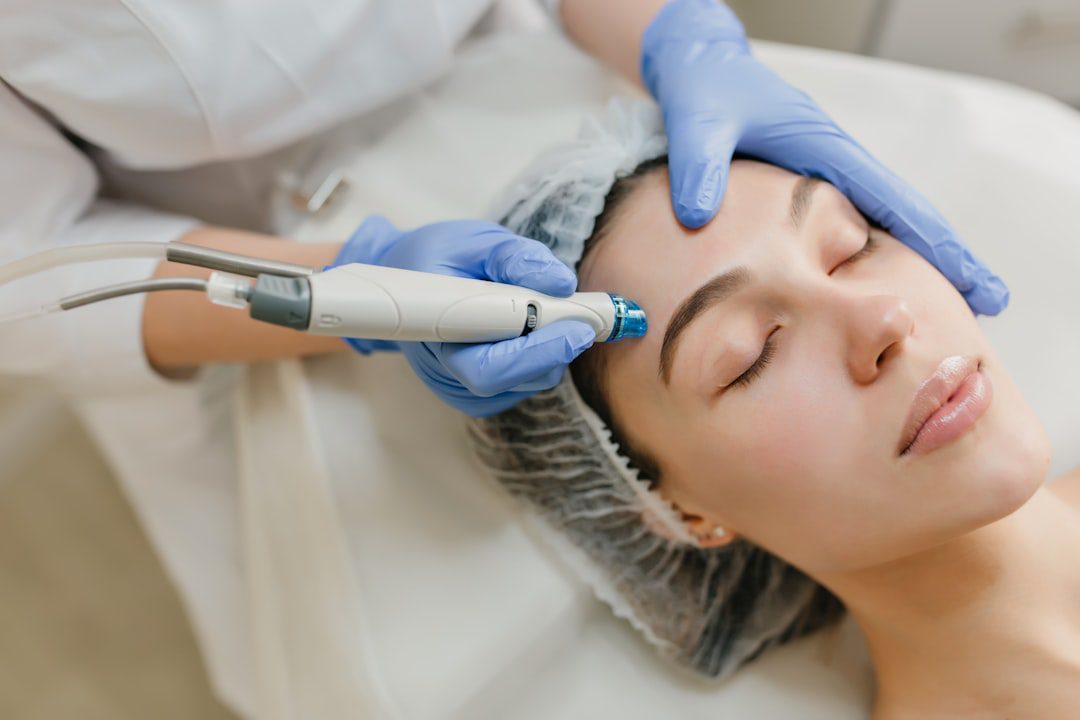
Featured photo: Look Studio on Unsplash. Illustrative aesthetic-treatment imagery; not a LaserTouch MD patient or treatment result.
Primary sources and further reading
U.S. FDA: Microneedling Devices—Benefits, Risks and Safety (updated October 15, 2025) · U.S. FDA: Potential Risks with Certain Uses of RF Microneedling (October 15, 2025) · U.S. FDA: Microneedling Devices
Choose the conversation before the device
Start with your skin.
Then compare the tools.
A consultation can help clarify whether traditional microneedling, PiXel8-RF or another approach better matches your concern and risk profile.
Traditional microneedling · PiXel8-RF · Call 479-268-4573
General education, not individual medical advice. Treatment requires an in-person assessment; eligibility, recommendations, risks, recovery and results vary. Contact the clinic promptly about unexpected symptoms after a procedure and seek urgent medical care for severe symptoms.